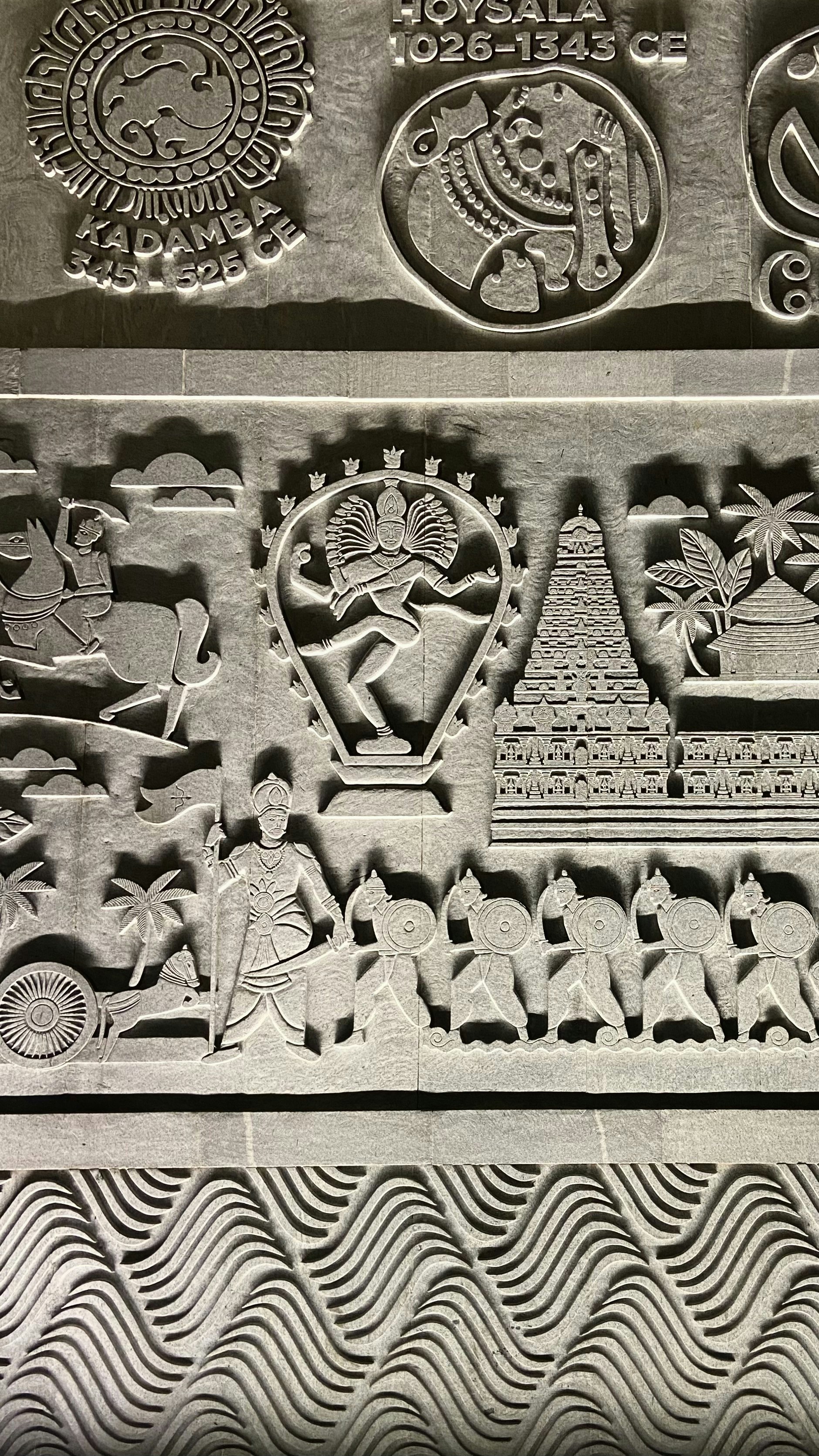
Introduction to Indian History
Indian history represents a vast and intricate tapestry woven with threads of diverse cultures, religions, languages, and traditions. Spanning over five millennia, India’s historical narrative is marked by a remarkable continuity of civilization, making it one of the world’s oldest societies. From the early urban centers of the Indus Valley Civilization to the expansive empires that dominated the landscape during classical and medieval periods, the journey through Indian history is both profound and enlightening.
The ancient era of Indian civilization is characterized by its pioneering advancements in various fields, including mathematics, astronomy, and philosophy. The arrival of Indo-Aryans, the formation of early kingdoms, and the rise of significant religious movements such as Jainism and Buddhism laid the foundation for a culturally rich society. Each of these developments contributed to the complexities of Indian identity that would evolve over the centuries.
As India entered the medieval period, various dynasties—including the Maurya, Gupta, and later, the Mughals—shaped the subcontinent’s political landscape. This era was marked by significant architectural innovations and cultural amalgamation, which further diversified India’s rich heritage. The historical interplay between various communities resulted in a dynamic cultural exchange, leaving an indelible mark on Indian society.
Entering the modern period, India grappled with colonialism and the consequent struggle for independence. The impact of British rule transformed various societal aspects, igniting a nationalistic fervor that ultimately led to the country’s independence in 1947. This modern history is critical in understanding contemporary India, as it reflects the resilience and adaptability of its people amidst challenges.
The Ancient Civilizations of India
The history of ancient India is marked by the emergence of significant civilizations, particularly the Indus Valley Civilization, which thrived around 2500 BCE. This civilization is renowned for its advanced urban planning and architectural innovation, evidenced by well-laid-out cities such as Harappa and Mohenjo-Daro. These cities showcased a remarkable grid pattern, with sophisticated drainage systems and public baths, reflecting a high level of civic organization.
The Indus Valley inhabitants engaged in extensive trade, not only with neighboring regions but also with distant civilizations. They traded goods like cotton textiles, pottery, and precious stones. However, by around 1900 BCE, the Indus Valley Civilization began to decline due to various factors, including ecological changes, invasions, and possible shifts in trade routes. The decline led to the rise of the early Vedic culture, which originated from the influx of Indo-Aryans into the subcontinent.
The early Vedic period, spanning approximately 1500 to 500 BCE, was characterized by the composition of the Vedas, the oldest sacred texts of Hinduism. This era marked a significant shift from urban-centered life back to pastoral and agrarian communities. The religious practices of this period laid the foundational beliefs of Hinduism, emphasizing rituals, sacrifices, and social stratification through the varna system.
Additionally, Buddhism emerged in the 6th century BCE, advocating for a path of enlightenment and meditation without rigid rituals. Founded by Siddhartha Gautama, known as the Buddha, this philosophy gained a diverse following and significantly influenced Indian culture and spirituality. The intermingling of these philosophies contributed to a rich tapestry of beliefs that shaped not just religious practices but also social and cultural dynamics in ancient India.
The Maurya and Gupta Empires
The Maurya Empire, established by Chandragupta Maurya in 322 BCE, marks a significant chapter in Indian history. Under Chandragupta’s leadership, the Maurya Empire expanded rapidly, encompassing a vast territory that included present-day India, Pakistan, and parts of Afghanistan. The establishment of a centralized administrative system was one of the empire’s notable advancements. Chandragupta sought the guidance of Chanakya, an esteemed scholar, to devise strategies that would strengthen the empire’s governance. This administrative framework facilitated efficient tax collection and law enforcement, ultimately solidifying the Maurya’s power.
However, it was Ashoka, Chandragupta’s grandson, who transformed the empire’s legacy. After witnessing the devastation of the Kalinga War, Ashoka adopted Buddhism and promoted non-violence and moral governance. His edicts carved onto rocks and pillars across the empire conveyed messages of compassion, tolerance, and the importance of Dharma. This period saw Buddhism spread beyond India, influencing various regions and cultures, thereby establishing a rich interconnection between different civilizations.
Following the decline of the Maurya Empire, the Gupta Empire rose to prominence around the 3rd century CE, often referred to as the Golden Age of India. The Gupta period is renowned for its remarkable contributions to art, science, and culture. Under the reign of Chandragupta II and his successors, advancements in mathematics led to the development of the concept of zero and the decimal system, which significantly influenced subsequent cultures. Literature flourished with notable works like Kalidasa’s plays and the ‘Panchatantra.’ Furthermore, achievements in metallurgy, such as the iron pillar of Delhi, showcase the Gupta’s proficiency in this field. This era is characterized by a thriving environment that nurtured intellectual pursuits and artistic expression, leaving a lasting legacy in Indian history.
Medieval India: The Rise of Regional Kingdoms
Following the decline of the Gupta Empire, India witnessed a significant transformation in its political landscape, marked by the emergence of various regional kingdoms. This period, often referred to as Medieval India, spanned from the 6th century to the 16th century and was characterized by a decentralized political structure. The disintegration of centralized power gave way to local rulers establishing their authority over smaller territories, leading to a mosaic of kingdoms.
One of the most prominent regional powers was the Chola dynasty, which flourished in southern India. Renowned for their naval prowess, the Cholas expanded their influence beyond the Indian subcontinent to Southeast Asia, establishing a vast empire that facilitated trade and cultural exchange. The Chola period is also notable for its contributions to art and architecture, as seen in the splendid temples that still stand today.
In northern India, the Rajputs emerged as formidable powers during this era. Various clans established control over different regions, leading to a feudal system characterized by loyalty and chivalry. The Rajputs are remembered for their valor and military prowess, as well as their complex social structures and elaborate fortifications. Their legacy is instrumental in understanding the socio-political dynamics of Medieval India.
Simultaneously, the rise of Islamic sultanates marked a significant shift in the Indian subcontinent’s history. The establishment of regional Muslim powers contributed to the diversification of the political landscape. Important sultanates such as the Delhi Sultanate emerged, influencing culture, architecture, and governance. These Islamic kingdoms interacted with the existing local traditions, leading to a rich cultural synthesis that characterized this era.
The period of Medieval India, with its array of regional kingdoms, reflects a time of profound change and cultural dynamism, setting the stage for the subsequent historical developments in the subcontinent.
The Mughal Empire: A Golden Age
The Mughal Empire, established in the early 16th century, marked a significant turning point in Indian history. Founded by Babur, a descendant of Timur and Genghis Khan, the empire quickly expanded under his grandson Akbar, who reigned from 1556 to 1605. Akbar is often regarded as one of the greatest emperors of the Mughal dynasty, known for his policy of religious tolerance and efforts to foster unity among India’s diverse populations. This era is characterized by remarkable cultural, architectural, and economic advancements.
Under Akbar’s leadership, the empire witnessed substantial territorial expansion, ultimately stretching across most of the Indian subcontinent. The introduction of administrative reforms and the establishment of a centralized government played a vital role in stabilizing the empire. Notably, Akbar implemented the “Mansabdari” system, which organized military and civil administration, ensuring efficient governance. His successors, Jahangir and Shah Jahan, continued this tradition of consolidation. Jahangir’s patronage of the arts led to the flourishing of Mughal painting, characterized by intricate detail and vivid colors, showcasing a synthesis of Persian and Indian styles.
Shah Jahan, famous for commissioning the Taj Mahal, a UNESCO World Heritage site, represented the architectural zenith of the Mughal Empire. The period also bore witness to the establishment of an extensive network of trade that resulted in economic prosperity. The Mughal courts became a hub for artisans, scholars, and poets, reflecting a rich cultural tapestry that integrated various influences, including Persian, Indian, and Central Asian traditions. The empire’s legacy is evident in its contributions to art, literature, and urban planning, aspects that continue to captivate historians and the general populace alike.
Colonial India: European Expansion and Impact
The arrival of European powers in India marked a pivotal transition in the subcontinent’s history, especially during the 17th and 18th centuries. The Portuguese, Dutch, French, and ultimately the British established trade routes that laid the foundation for their colonial aspirations. However, it was the British East India Company that gained significant control following the Battle of Plassey in 1757, initiating a prolonged period of British colonization. This phase transformed India’s socio-economic landscape and introduced sweeping changes in governance and societal structures.
Under British rule, India experienced profound socio-economic changes. The imposition of Western education systems, legal frameworks, and economic practices disrupted traditional practices. Agriculture was restructured to favor cash crops for export rather than sustenance farming, leading to economic hardship for many villages. Additionally, the introduction of railways and telegraphs, while beneficial in some respects, primarily served the interests of the colonizers by facilitating faster resource extraction and troop mobilization. Hence, socio-economic implications were dual-faceted, benefiting British interests while undermining local economies.
The period also inspired notable resistance movements, as Indian populations began to organize against British rule. Events like the Sepoy Mutiny of 1857 highlighted widespread discontent and the demand for self-governance. Nationalists and reformers, including figures like Mahatma Gandhi and Bal Gangadhar Tilak, emerged to address grievances against colonial policies. This culminated in a series of struggles that eventually laid the groundwork for India’s independence movement in the 20th century.
Culturally, colonial India was a melting pot of influence, leading to significant syncretism. British education and cultural practices began to permeate Indian society, while traditional Indian art, music, and literature experienced both suppression and resurgence. This cultural exchange fostered a unique blend of Eastern and Western ideologies, shaping contemporary Indian identity. Thus, the European expansion in India was marked by a complex interplay of response and adaptation, forever altering the historical and cultural landscape of the nation.
The Struggle for Independence
The struggle for India’s independence from British rule was a multifaceted movement characterized by the contributions of numerous leaders and various strategies employed across the nation. Among the most prominent figures was Mohandas Karamchand Gandhi, who championed the philosophy of non-violence, or Ahimsa. Gandhi’s approach was radical; he promoted civil disobedience as a means to resist oppression without resorting to violence. His leadership during events such as the Salt March in 1930 galvanized millions, demonstrating the power of non-violent protest and garnering international attention for the cause.
In addition to Gandhi, other pivotal figures emerged, such as Jawaharlal Nehru, Subhas Chandra Bose, and B.R. Ambedkar. While Gandhi focused on peaceful resistance, Bose advocated for a more militaristic approach, seeking to expel British forces through armed struggle. This divergence in strategies underscored the complexity of the independence movement, incorporating a wide array of philosophies and ultimate goals. The Indian National Congress, spearheaded by Nehru and Gandhi, became a central organizing body, mobilizing support across diverse sections of society, including peasants, workers, and students.
The impact of World War II also significantly influenced the Indian independence movement. British involvement in the war created economic strain and necessitated resources, leading to widespread dissatisfaction among Indians. The Quit India Movement launched in 1942 crystallized this discontent, calling for an end to British rule. The government’s subsequent crackdown only intensified nationalist fervor. As the war concluded, Britain was weakened, and the demand for independence became impossible to ignore, ultimately leading to the partition of India in 1947.
The confluence of these movements, figures, and historical events collectively shaped India’s struggle for independence, marking it as a remarkable chapter in the annals of history.
Post-Independence Challenges and Achievements
The period following India’s independence in 1947 was marked by significant challenges and transformative changes. One of the most pressing issues was the traumatic partition of British India into two new nations: India and Pakistan. This division led to mass migrations, widespread communal riots, and a humanitarian crisis that displaced millions. The Indian government, under the leadership of Prime Minister Jawaharlal Nehru, had to address the immediate consequences of this upheaval while fostering national unity in a diverse society.
Another critical challenge was the integration of over 500 princely states into the Indian Union. These princely states had varying degrees of autonomy and allegiance to the British crown. The efforts led by Sardar Vallabhbhai Patel, the Deputy Prime Minister and Minister of Home Affairs, were instrumental in persuading many rulers to accede to India, thereby ensuring territorial integrity and national cohesion. The successful integration of these states laid the foundation for a unified nation-state, crucial for India’s stability.
Establishing a democratic government was another monumental task. In 1950, India adopted its Constitution, which not only enshrined the principles of justice, liberty, equality, and fraternity but also set forth the framework for a parliamentary democracy. This new governance system allowed diverse voices from various regions and communities to be represented, thus reinforcing social cohesion.
Since independence, India has achieved significant milestones across various sectors. The Green Revolution transformed the agricultural landscape, significantly boosting food production and ensuring food security. In addition to agricultural progress, India has made strides in information technology, space exploration, healthcare, and education. These achievements have contributed greatly to India’s emergence as a major player on the global stage, demonstrating resilience in overcoming post-independence challenges.
Contemporary India: Economic Growth and Global Influence
Since the economic reforms that began in the early 1990s, India has been on a transformative journey marked by significant economic growth and increased global influence. These reforms transitioned the country from a largely closed economy to one that embraces globalization, encouraging foreign investments and the liberalization of trade. As a result, India has emerged as one of the fastest-growing economies in the world, with a gross domestic product (GDP) growth rate often touted as among the highest internationally.
The technology sector has played a pivotal role in this economic resurgence, with India becoming a global hub for information technology services and software development. Cities like Bengaluru and Hyderabad have gained prominence as major tech centers, attracting multinational corporations and fostering a vibrant startup culture. This technological advancement is not only a catalyst for economic growth but also a key player in enhancing India’s global competitiveness.
Moreover, the government has implemented various initiatives aimed at strengthening the manufacturing sector and promoting innovation, such as the “Make in India” campaign. This initiative encourages domestic and foreign companies to manufacture their products within the country, thereby creating jobs and stimulating local economies. Additionally, the emphasis on sustainable practices has led to advancements in renewable energy, positioning India as a leader in global environmental issues.
India’s role in global affairs has also expanded, as it engages in diplomatic partnerships and participates actively in international organizations. The country’s soft power, coupled with economic clout, allows it to influence global policies significantly. With initiatives like the “Act East Policy,” India is strengthening its ties with Southeast Asian nations, thereby enhancing its strategic presence in a multipolar world.
In conclusion, contemporary India stands as a testament to the successful amalgamation of economic reform and global engagement. The ongoing growth and modernization signify its position as a key player on the world stage, influencing economic trends and global policies alike.