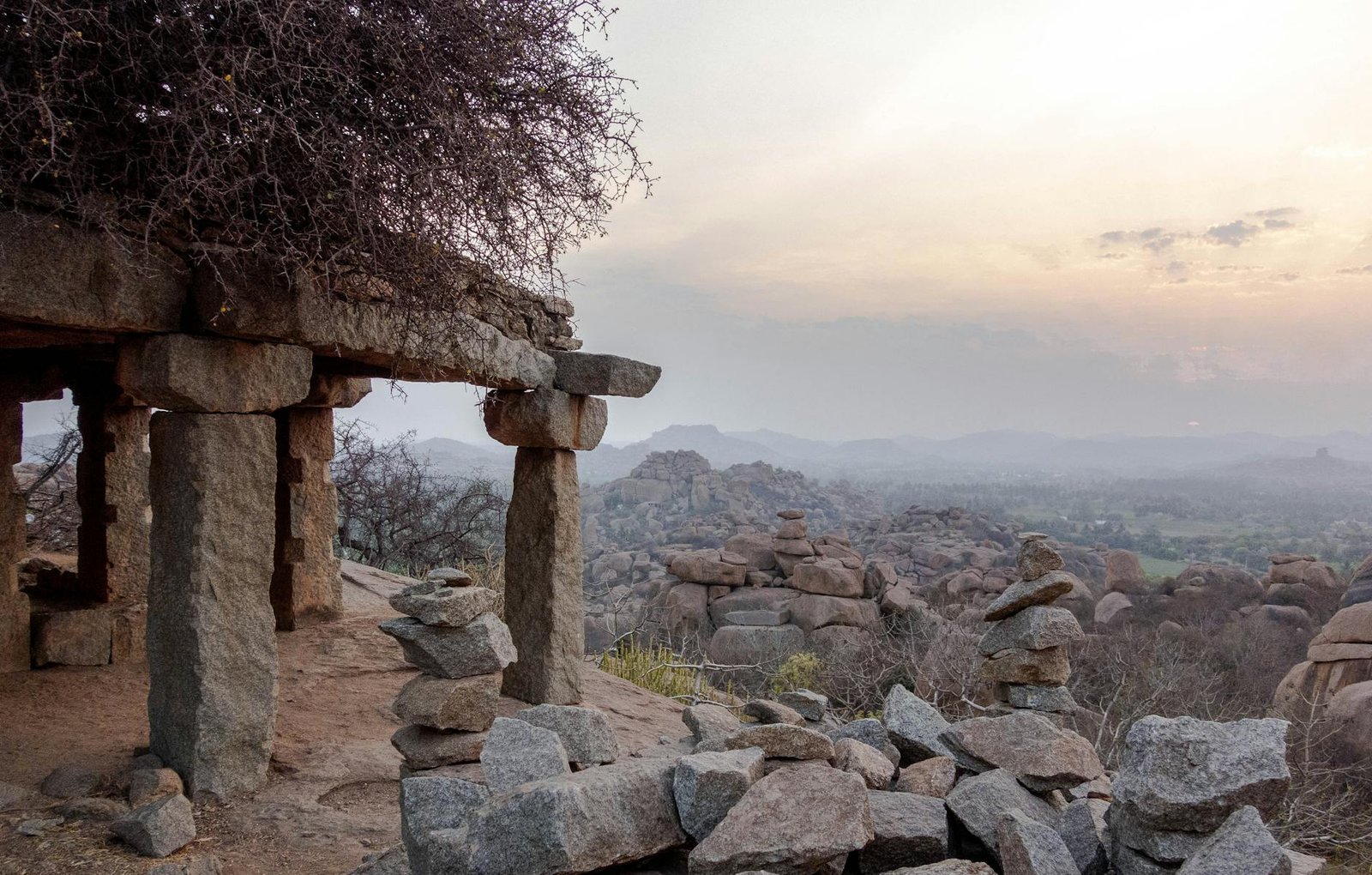
Physiographic Divisions of India

From AI integration to cross-platform fluency—discover the must-have technical and soft skills for today’s most in-demand dev roles.

by Roundpress
Physiographic Divisions of India
Table of Contents
1. Introduction
2. The Himalayan Mountain System
3. The Northern Plains
4. The Peninsular Plateau
5. The Indian Desert
6. The Coastal Plains
7. The Islands of India
Key Facts
India has a highly diverse physical landscape shaped by geological history and climatic forces.
The physiographic divisions are broadly classified into six major regions.
These divisions influence climate, vegetation, agriculture, settlement patterns, and economic activities.
The Himalayas act as a climatic barrier and source of major rivers.
The Northern Plains are among the most fertile regions in the world.
The Peninsular Plateau is the oldest geological part of the country.
Coastal plains support major ports and maritime trade.
India possesses both continental and oceanic island groups.
1. Introduction
The physiographic divisions of India represent a scientific classification of the country’s physical features based on structure, relief, and geological origin. These divisions provide a clear framework for understanding India’s natural environment and form the foundation of its geographical identity. Due to its vast size and long geological history, India exhibits remarkable physical diversity within a relatively compact landmass.
Physiography refers to the study of landforms and physical features of the Earth’s surface. In India, these features have evolved over millions of years under the influence of tectonic movements, volcanic activity, erosion, and deposition. The collision of the Indian Plate with the Eurasian Plate led to the formation of the Himalayas, while ancient crystalline rocks shaped the Peninsular Plateau. Continuous processes of weathering and river action further modified these landforms.
Geographers traditionally divide India into six major physiographic regions: the Himalayan Mountain System, the Northern Plains, the Peninsular Plateau, the Indian Desert, the Coastal Plains, and the Islands. Each of these regions is distinct in terms of origin, structure, elevation, soil composition, and natural resources. Together, they create a balanced physical framework that supports varied climates, ecosystems, and human activities.
The Himalayan region dominates the northern boundary and plays a critical role in climate regulation, acting as a barrier against cold Central Asian winds and influencing the monsoon system. South of the Himalayas lie the vast Northern Plains, formed by the alluvial deposits of major rivers, making them ideal for agriculture and dense human settlement. The Peninsular Plateau, composed of ancient rocks, represents the core of India’s landmass and is rich in minerals.
The Indian Desert in the northwest reflects extreme climatic conditions, while the Coastal Plains along the eastern and western margins facilitate trade, fishing, and cultural exchange. Beyond the mainland, India’s islands add strategic, ecological, and geographical significance.
Understanding the physiographic divisions of India is essential for studying its climate, agriculture, biodiversity, transport networks, and regional development. These divisions also help explain historical patterns of settlement and economic growth. In the following sections, each physiographic division is examined in detail to highlight its characteristics, formation, and significance.